Triyuginarayan Temple – Ashu Tour & Travels
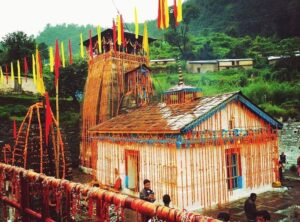
Triyuginarayan Temple is an ancient and highly revered Hindu temple located in the Rudraprayag district of Uttarakhand, India. It is dedicated to Lord Vishnu and is believed to be the site where the divine marriage of Lord Shiva and Goddess Parvati took place, making it one of the most significant and sacred temples in the region. The temple holds both religious and mythological importance and is a must-visit destination for devotees and spiritual seekers.
Key Features of Triyuginarayan Temple
- Mythological Significance:
- The Triyuginarayan Temple is renowned for its connection to the wedding of Lord Shiva and Goddess Parvati. According to Hindu mythology, it is believed that the sacred marriage took place here in the presence of Lord Vishnu and other gods. The temple is named “Triyuginarayan” because the fire in the temple’s sacred hearth (Yagna Kund) is said to have been continuously burning since that divine marriage. This eternal fire symbolizes the eternal union of Shiva and Parvati.
- The temple is an important pilgrimage site for those seeking blessings for marital harmony and prosperity.
- Temple Architecture:
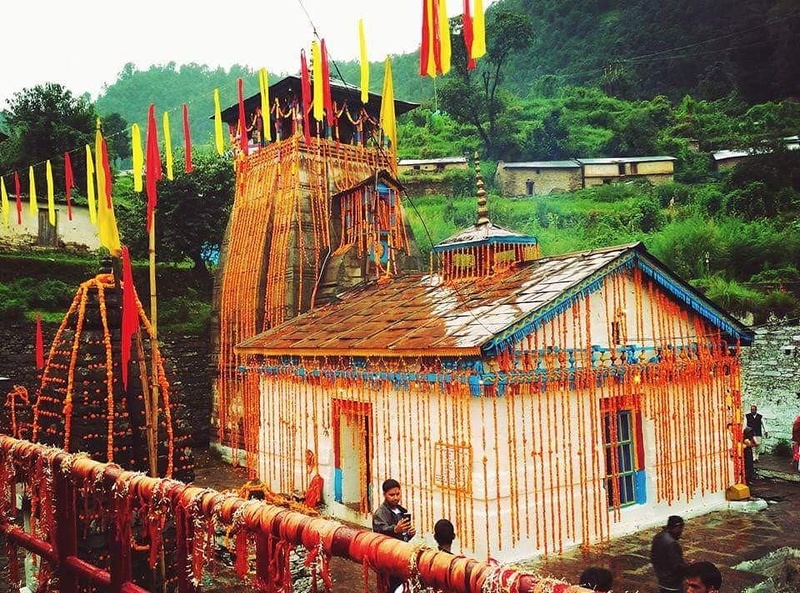
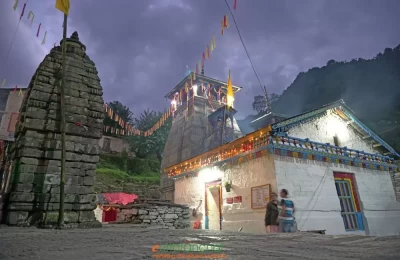
- The Triyuginarayan Temple follows the traditional North Indian style of architecture. It features a beautifully carved sanctum sanctorum with a shikhara (spire) rising above. The temple is built using stone and granite, giving it a robust and ancient feel.
- Inside the temple, the idol of Lord Vishnu is enshrined, and devotees come to offer prayers and perform puja (worship). The Yagna Kund, or the sacred fire pit, where the eternal fire continues to burn, is also a focal point of worship.
- Sacred Yagna Kund (Fire Pit):
- The most prominent feature of the temple is the Yagna Kund, a fire pit where the eternal fire is believed to have been burning since the time of Lord Shiva and Goddess Parvati’s marriage. Devotees believe that the fire symbolizes the everlasting love and divine union between Shiva and Parvati. The fire in the Yagna Kund is considered sacred, and offerings are made to the fire as part of religious rituals.
- It is said that the fire here is never extinguished, making the temple a unique spiritual site.
- Scenic Location:
- The Triyuginarayan Temple is nestled in the lush green hills of Uttarakhand, offering a serene and peaceful environment for visitors. The temple is surrounded by snow-capped mountains, dense forests, and beautiful landscapes, making it a perfect blend of spirituality and natural beauty.
- The temple complex also offers picturesque views of the nearby Ganges River, adding to the tranquil atmosphere.
- Festivals and Rituals:
- The most significant time to visit the temple is during the Maha Shivaratri festival, which is celebrated with great devotion and fervor. On this day, the temple witnesses a large influx of pilgrims and devotees, who come to offer prayers and seek blessings from Lord Shiva and Goddess Parvati.
- The Navaratri festival is also an important time for worship, as it marks the triumph of Durga over evil. During this period, special rituals and prayers are performed in the temple.
- The temple also hosts several smaller local festivals, and devotees come to offer prayers throughout the year.
- Peaceful and Spiritual Ambience:
- Triyuginarayan Temple offers a peaceful and serene environment, far from the hustle and bustle of city life. The temple’s isolated location in the mountains allows visitors to meditate, connect with divinity, and immerse themselves in the tranquility of nature.
Best Time to Visit Triyuginarayan Temple
- Summer (May to June): The best time to visit the Triyuginarayan Temple is during the summer months, when the weather is pleasant, with temperatures ranging between 15°C to 30°C. The clear skies and moderate temperatures make it ideal for outdoor activities like sightseeing and trekking.
- Monsoon (July to September): The monsoon season should be avoided, as heavy rainfall in the region can lead to landslides and slippery roads. The trekking routes may also become dangerous during this period.
- Autumn (October to November): Autumn is a great time to visit, with cool, clear weather and fewer tourists. The temperature ranges from 10°C to 20°C, and the region’s natural beauty is at its peak, making it a good time for photography, trekking, and spiritual activities.
- Winter (December to February): Winter can be very cold, with temperatures dropping below 0°C. However, for those who can tolerate the cold, winter offers a peaceful experience. Snowfall is common during this time, and the temple is less crowded, providing a tranquil and serene environment for reflection and worship.
How to Reach Triyuginarayan Temple
- By Air:
- The nearest airport to Triyuginarayan Temple is Jolly Grant Airport in Dehradun, which is about 200 kilometers away from the temple. Dehradun is well-connected to major cities like Delhi, Mumbai, and Bangalore. From the airport, you can hire a taxi or take a bus to Rishikesh or Srinagar, and from there, take a local vehicle to reach the temple.
- By Train:
- The nearest railway station is Rishikesh Railway Station, around 180 kilometers away from Triyuginarayan Temple. Rishikesh is connected to several major cities in India by trains. From Rishikesh, you can hire a taxi or take a bus to Srinagar, and then a local vehicle or trek to the temple.
- By Road:
- The temple is accessible by road from Rishikesh, Haridwar, and Dehradun. From Rishikesh, it takes about 5 to 6 hours by car to reach the temple via Srinagar. Roads are well-maintained, but the last part of the journey involves narrow, winding roads, so driving can be challenging.
- Local buses and taxis are available from nearby towns like Srinagar and Rishikesh to reach Triyuginarayan.
- Trekking:
- For adventure enthusiasts and those seeking a spiritual experience, trekking is an option to reach Triyuginarayan Temple. The trek from Srinagar to the temple is about 12 kilometers, and it takes around 3 to 4 hours to complete, depending on the pace. The trek passes through beautiful forests and offers an opportunity to immerse in the natural beauty of Uttarakhand.
Travel Tips for Visiting Triyuginarayan Temple
- Physical Readiness: If you plan on trekking, be prepared for the moderate to steep climb. It is advisable to carry a walking stick and wear comfortable shoes.
- Weather Precautions: Carry warm clothing in winter and light clothing during the summer months. During the monsoon season, bring rain gear and be cautious about the slippery paths.
- Accommodation: There are limited accommodation options near the temple, so it is recommended to stay in Rishikesh, Srinagar, or Devprayag and take a day trip to the temple. Basic guesthouses and dharamshalas (pilgrim accommodations) are available in the region.
- Carry Snacks and Water: There are limited food stalls along the way to the temple, so it’s a good idea to carry water and light snacks with you during the journey.
- Respect Local Customs: Dress modestly and follow temple customs. Photography may not be allowed inside the temple complex, so always check before taking pictures.
Triyuginarayan Temple is not just a place of worship, but a serene, spiritual haven offering a glimpse into the rich mythological history of Hinduism. The temple’s connection to the divine marriage of Lord Shiva and Goddess Parvati, along with its tranquil natural surroundings, makes it an ideal destination for pilgrims and those seeking peace and divine blessings. Whether you choose to visit for spiritual reasons or to experience the natural beauty of Uttarakhand, Triyuginarayan offers an unforgettable experience.